

At the Walters Art Museum in Baltimore, a new exhibition places the beauty of historic luxury beside the ecological cost that made it possible. Luxury & Loss: Feather, Shell, Tusk, Horn opened on 7 November with 94 objects spanning Asian, European, African and American traditions.
The exhibition is organised around four animal materials once associated with wealth and technical virtuosity: kingfisher feather, tortoiseshell, elephant ivory and rhinoceros horn. Its argument begins with craftsmanship, but it does not stop at admiration. The displays connect centuries of collecting and consumption to the depletion of animal populations and the international trade restrictions that followed.
When virtuosity carries a hidden price
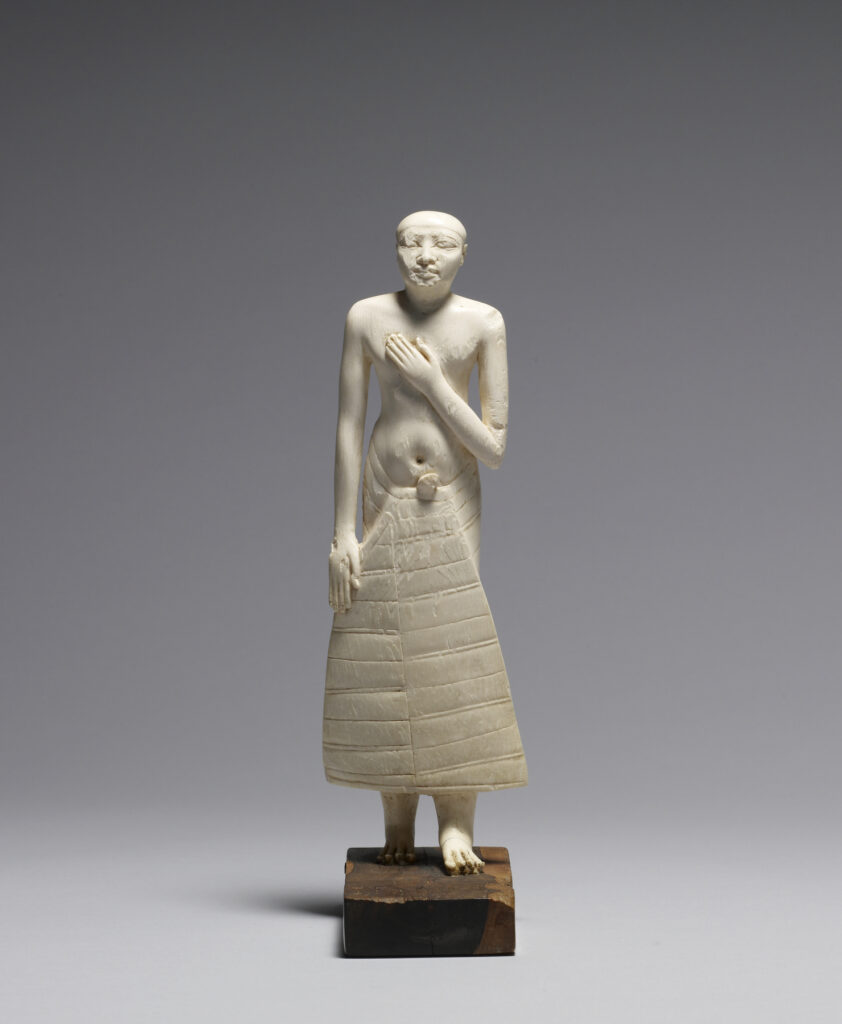
Ivory provides the largest section, with 50 works. Among them is a small Egyptian Standing Figure of a Male Dignitary, carved around 1970 BCE. Its material and refined workmanship suggest an elite owner, while its survival also makes visible the long history through which animal substances became signs of rank, devotion and taste.
Other objects extend that history across cultures and techniques: Chinese ornaments made with iridescent kingfisher feathers, tortoiseshell furniture and accessories, rhinoceros-horn vessels, and a Japanese articulated lobster. The objects invite close looking, but their arrangement asks a second question: what disappears from view when rarity itself becomes desirable?
That tension gives the exhibition its force. According to the Walters Art Museum, the trade in all four principal materials was eventually restricted internationally during the twentieth century as the effects on wildlife became impossible to ignore. The historical narrative is therefore not presented as a closed chapter. It reaches into current debates about conservation, consumer appetite and the ethics of museum display.
Contemporary artists reopen the conversation
Contemporary works interrupt each historical section. Jenny Kendler’s Music for Elephants turns an antique player piano with ivory keys into a meditation on extinction. Kate MccGwire reworks discarded rooster feathers, while Baltimore artist Amy Boone-McCreesh uses painted paper to mimic tortoiseshell in a new installation about scarcity and surplus. Tuan Andrew Nguyen’s video imagines a conversation between the spirits of extinct animals.
A same-day report by The Baltimore Banner described the show as an invitation to examine beauty without hiding the systems that produced it. The exhibition also brings in recorded testimony from Maryland conservationists, shifting the story from distant species and historic objects to local choices and practical action.
By refusing either easy condemnation or uncritical wonder, Luxury & Loss treats art history and environmental history as inseparable. The exhibition remains on view through 24 January 2027, but its central question travels well beyond the gallery: how should museums preserve the evidence of luxury while making its consequences legible?
Image: Standing Figure of a Male Dignitary, c. 1970 BCE, carved elephant ivory, Walters Art Museum (71.509). Photograph: The Walters Art Museum, CC BY-SA 3.0 via Wikimedia Commons. Collection image; not an installation view. No editorial crop or colour alteration.
