
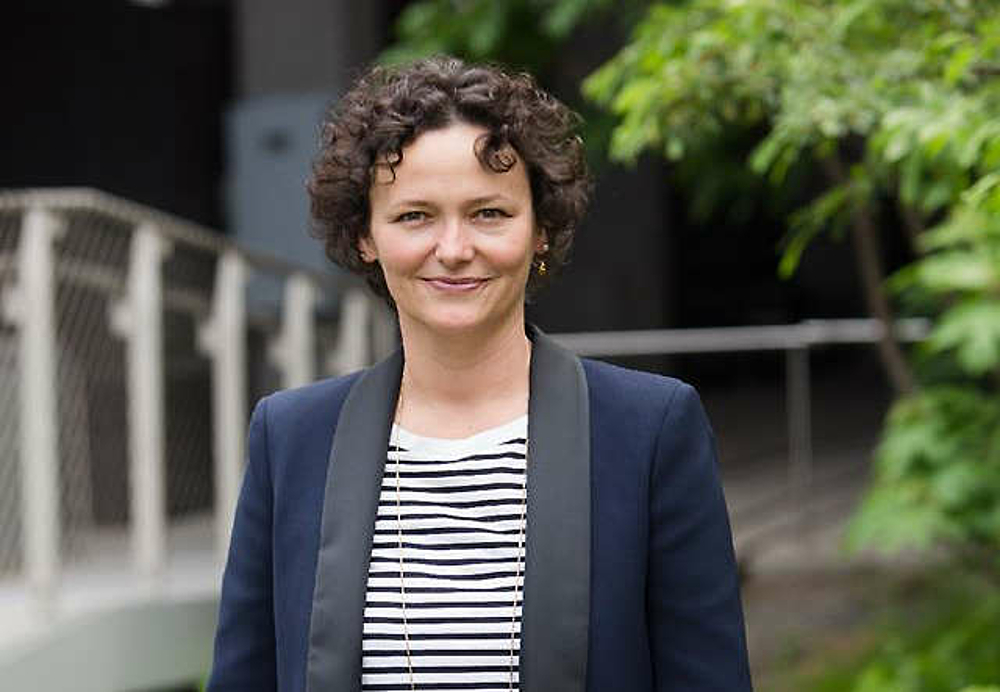
The 59th Venice International Art Exhibition opened on 23 April 2022 as the first Art Biennale after the pandemic and the first edition curated by Italian curator Cecilia Alemani.
The event returned on an altered calendar after the postponement of the Architecture Biennale shifted the usual sequence. Over approximately seven months, Venice hosted more than 1,400 works and installations by 213 artists from 58 countries.
A broadened international presence
For many of the participating artists, the 2022 edition marked a first appearance at the Biennale. The main exhibition was accompanied by 80 national presentations across the Giardini, the Arsenale and other sites in the historic centre.
Cameroon, Namibia, Nepal, Oman and Uganda participated for the first time. Kazakhstan, Kyrgyzstan and Uzbekistan also appeared with national pavilions of their own, extending the event’s geographic range.
The Biennale was further supported by 31 collateral events and a wider programme of exhibitions throughout Venice. Together, these projects turned the city into a network of national, institutional and independent presentations rather than a single centralised show.
Exhibitions across the city
At Palazzo Ducale, Anselm Kiefer presented a site-specific cycle of paintings in the Sala dello Scrutinio, a room historically associated with the election of Venice’s doges. The work placed contemporary painting within a setting already dense with political and artistic history.
Anish Kapoor was the subject of an exhibition divided between the Gallerie dell’Accademia and a second Venetian venue. The presentation brought together earlier and more recent sculpture, including work connected with his use of exceptionally dark pigment.
The 2022 Biennale carried the symbolic weight of reopening a major international art platform after prolonged disruption. Its significance lay not only in its scale, but in the renewed movement of artists, works and audiences across Venice after a period when global cultural exchange had been sharply restricted.