
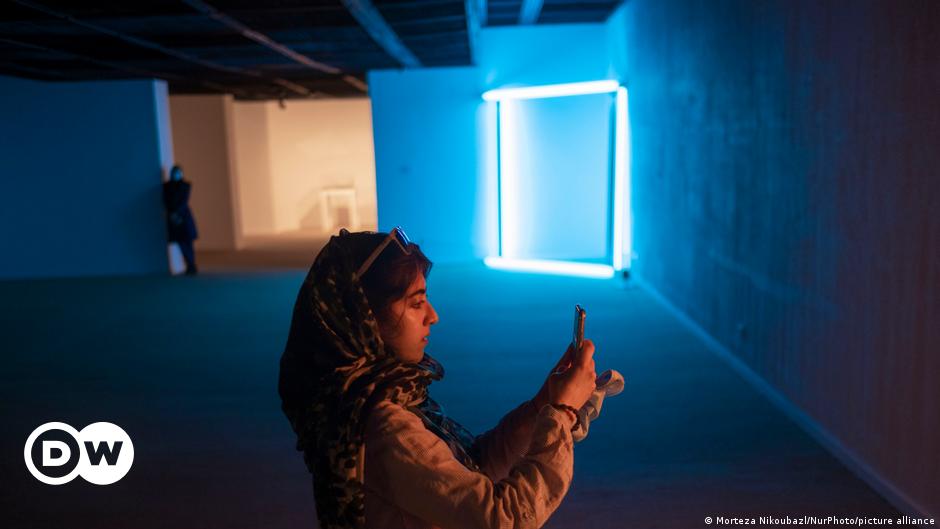
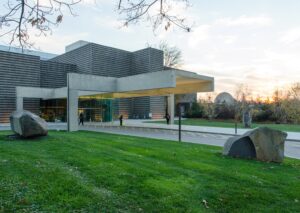
The 2022 exhibition Minimalism and Conceptual Art returned more than 130 Western works to public view at the Tehran Museum of Contemporary Art after decades of restricted access.
The display included art by Marcel Duchamp, Sol LeWitt, Donald Judd and Christo, alongside works by other major figures of post-war and modern art.
A collection assembled before the revolution
The museum’s modernist collection was formed in the 1970s under Farah Diba Pahlavi and became one of the most important groups of Western modern art outside Europe and the United States.
When the museum opened in 1977, works by Pablo Picasso, Mark Rothko, Claude Monet, Jackson Pollock and René Magritte were shown beside Iranian artists.
After the 1979 Islamic Revolution, much of the Western collection was moved into storage because it was considered incompatible with the new state’s cultural policy. Some works were destroyed, while others remained hidden for years.
Thirty-eight works shown for the first time
The 2022 exhibition presented 38 works that had never previously been displayed publicly. Around 20,000 people visited after the opening, approximately twice the attendance of earlier exhibitions at the museum.
The response showed strong interest among younger Iranians in international modern and contemporary art. Social media had already provided access to images and discussion, but the exhibition allowed the works to be encountered physically.
Parts of the collection had begun to reappear from 2005, although works involving nudity remained largely unseen.
Minimalism and Conceptual Art revealed how a museum collection can survive political rupture while remaining inaccessible to the public it was created to serve. Its reopening was both an artistic event and a reminder of the cultural history held inside institutional storage.