
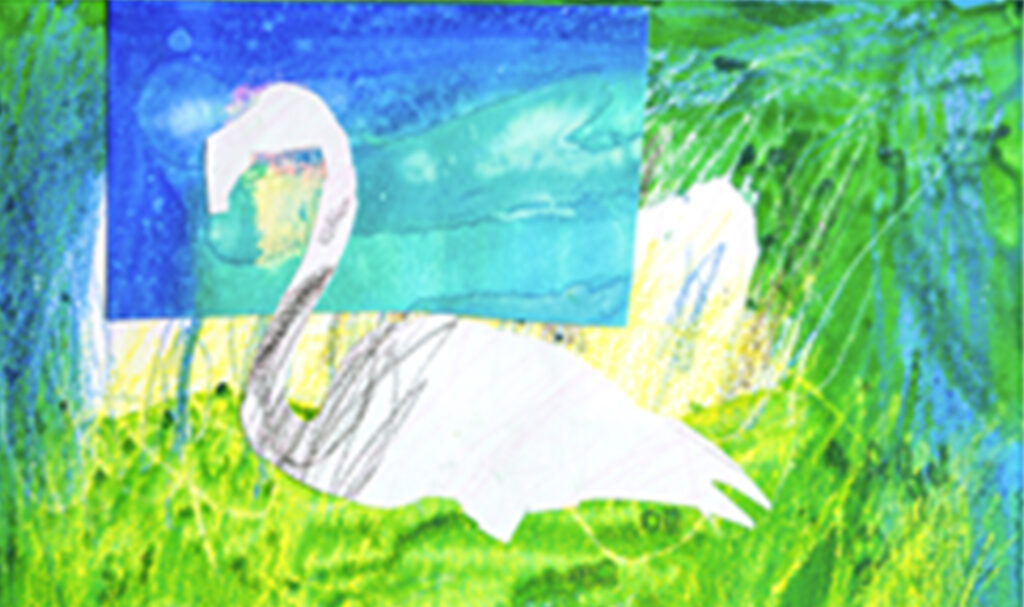
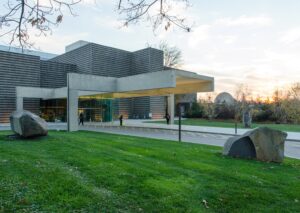
The 2022 exhibition Drawn Together presented work by adult artists with disabilities at Friendship Circle’s Soul Studio in West Bloomfield, Michigan.
Through drawing, painting, sculpture and collage, the exhibition focused on the artists’ individual experiences and the relationships developed through making work in a shared studio environment.
Artistic practice and personal narrative
Soul Studio was created as an inclusive workspace and gallery rather than a therapeutic activity separated from the professional art world. The participating artists developed distinct bodies of work and presented them publicly on their own terms.
The exhibition’s title reflected both the use of drawing and the social connections formed through artistic practice. Individual narratives remained central, but the studio also created a community in which artists could exchange ideas, build confidence and sustain regular creative work.
Friendship Circle co-founder Bassie Shemtov described the studio as an opportunity for audiences to encounter the world through the perspectives of artists with disabilities. This approach shifted attention away from diagnosis and toward the work itself, its visual language and the experiences it communicated.
A studio linked with wider opportunity
Soul Studio formed part of Friendship Circle’s broader programme for people facing disability, isolation and other challenges. Alongside artistic self-expression, it offered vocational training and routes toward employment.
Drawn Together therefore occupied several roles at once. It was a public exhibition, a presentation of individual creative identities and evidence of a long-term working environment in which artists could develop their practice.
The exhibition also highlighted the importance of access to professional spaces. By showing the work in a dedicated studio and gallery, the organisers treated the participants as exhibiting artists rather than subjects of a charitable event.
That distinction gave the project its strongest editorial value. The work was not presented merely to illustrate inclusion, but as a group of artistic statements through which different lives and ways of seeing became visible.